Wiring diagramsfor boats, vansand off-grid.

Draw your setup from a catalog of real parts — Crimp sizes every cable and fuse against ABYC E-11 as you wire it.

Free · no account needed
works in the browser

“…it would eventually smoke my small 75-amp alternator. I downsized to an 18-amp charger.”
Mike, refitting a 1958 Downeast Crosby Striper

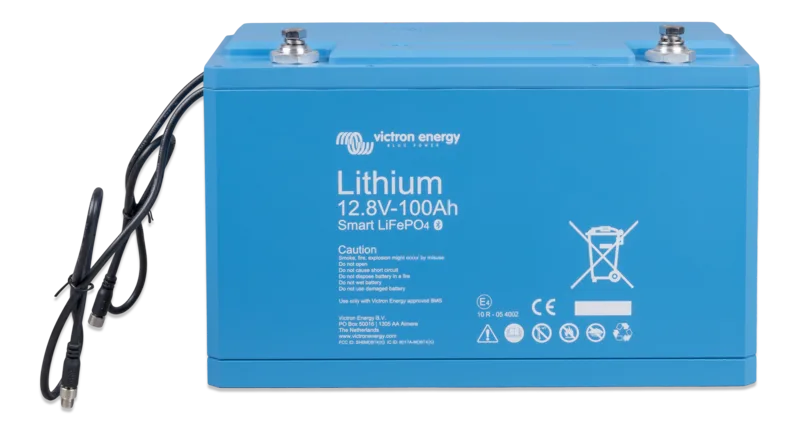
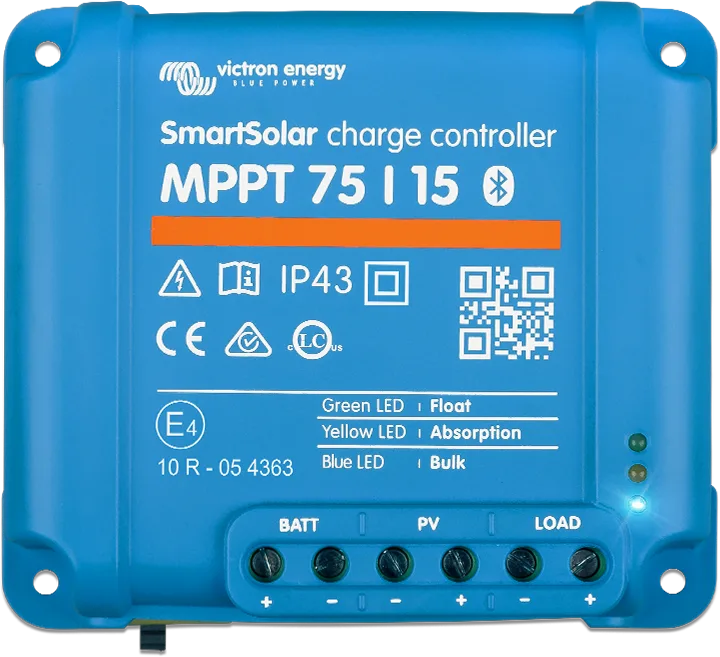
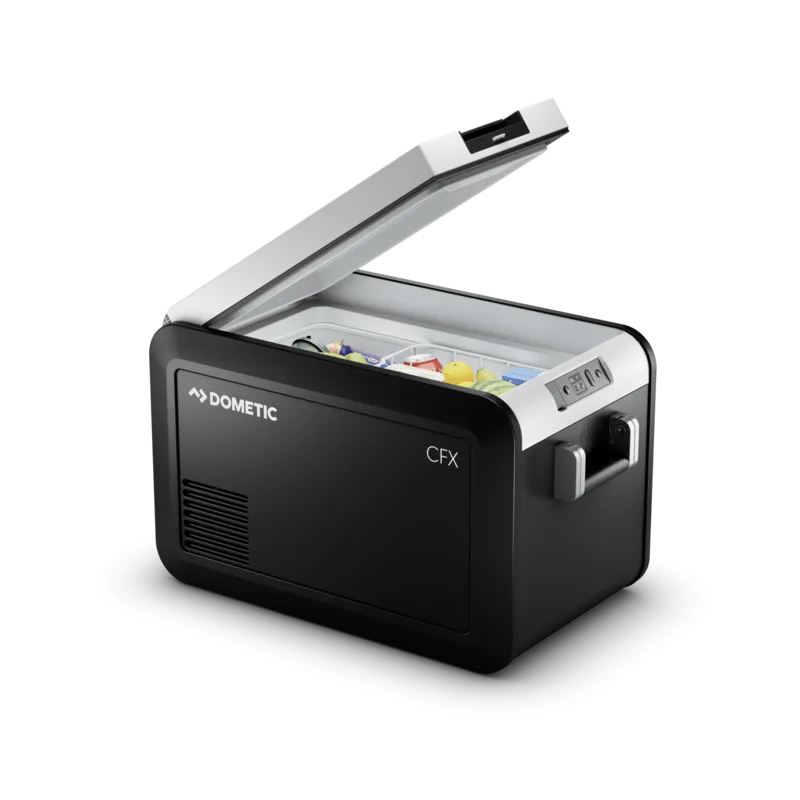
Fig. 1Example: “A 100 Ah lithium battery, 175 W of solar through an MPPT, a fridge and cabin lights.”

Live canvas — hover any cable for its wire size and fuse.

All 10 cables come back sized — 4 mm² and a 40 A fuse on the battery feeder, down to 1.5 mm² and 3 A for the lights.

01Draw

Drop in the parts you actually bought.

300+ components in the palette, 229 of them real branded parts. Each has its own terminals: a busbar has studs, an MPPT has a PV side and a battery side, a fuse block has slots. Missing something? Customise a part or build your own — it's saved to your library for the next project.

Victron Blue Sea Systems Renogy Battle Born Epever Balmar Volvo Penta Yanmar Sterling Power Morningstar CTEK Redarc Wakespeed Trojan Lifeline Pylontech Garmin Dometic Webasto Bluetti and 40+ more.

300+Components in the palette
60+Manufacturers in the catalog
229Branded profiles to browse →
02Size & check

The numbers come from the tables, not from a guess.

Connect two terminals and Crimp works out the current that run will carry. It sizes the wire off the ABYC E-11 ampacity tables, picks the fuse off the standard rating ladder, and checks voltage drop against the allowance E-11.14.2.6 sets for that kind of circuit. Switch the loads on and it runs the bank down, so you can see how long a night at anchor really lasts.

Per cable, continuously
Wire sizemm² + AWG, from resolved current
Fuse ratingstandard ladder, positive legs only
Voltage drop3 % critical / 10 % general
Ampacity headroomcontinuous vs. surge
Cranking circuitsclass-T, exempt from the ampacity cap
30+ checks, always running
01A fuse rated above the wire it's protecting
02A DC-DC charger bigger than the alternator feeding it
03An inverter that outpulls the battery bank
04Array voltage above the MPPT's input limit
05A load with no path back to the negative bus
06A battery fuse further from the post than E-11 allows
From the inbox
Your tool identified I selected a larger amperage DC-DC charger and it would eventually smoke my small 75-amp alternator. I downsized to an 18-amp charger and all I can say is “Thank you — Thank you!”
Mikerefitting a 1958 Downeast Crosby Striper

That check has a name — Crimp compares what a DC-DC charger will pull against what the alternator behind it can actually give, and says so before the cable goes in.

…as someone who has struggled with 12V wiring in the past this is simplifying it so much (and teaching me along the way). Obvs will get it all double checked by someone qualified.
r/vandwellers
03Share

Hand it to someone who has to read it.

With Crimp Pro, print the device list, export a PNG of the schematic, or take the project file with you. Or publish a link: readers see the live diagram with the sizing on it, and can pin a question to one specific cable instead of arguing in a thread about which run they meant.

What leaves the app
PDF reportdevice list by category
PNGshareable card, 1200 × 630
Project file.12v.json, yours to keep
Share linklive, read-only or editable
Published pagecomments pinned per cable
04Questions

What people ask first.

Before you build

This is a planning aid, not a certified design tool. Wire sizes, fuse ratings, and connections must be verified by a qualified person before you build. Mistakes can cause fire, injury, or equipment damage. You are responsible for the final installation.

01Which standards does the sizing follow?
Wire sizes come off the ABYC E-11 ampacity tables and fuses off the standard rating ladder. Voltage drop is measured against the allowance E-11.14.2.6 sets for that circuit — 3 % on panel feeders, bilge pumps, electronics and navigation lights, 10 % on general lighting — and you can override it per cable. ISO 13297 covers the same ground for boats built to EU rules. Cranking circuits get a class-T sized to ride the crank, and are exempt from the continuous-load derating and the fuse-≤-ampacity cap the way E-11 exempts them.
02Do I need an account?
Not to draw. The canvas, the sizing and the checks run in your browser and your project is saved on your device. An account is needed to attach a Crimp Pro licence and use cloud storage, exports, sharing and comments. Anything you hand to the AI also leaves your device; signing in raises the daily allowance.
03Is it only for boats?
It's for 12 V and 24 V DC systems — sailboats, motorboats, campervans, overland rigs, off-grid cabins. The catalog leans marine and van because that's where the questions come from.
04What if my exact part isn't in the catalog?
Customise any component — rename it, change its current ratings, add or move terminals — or build one from scratch. Custom parts are saved in your own library and reusable across projects. Parts reported through the in-app feedback button regularly end up in the catalog.
05What does Crimp Pro unlock?
Drawing, sizing, diagnostics and simulation stay free. Crimp Pro is a one-time purchase that adds unlimited cloud projects, project and image exports, printable installation blueprints, share links and comments. Anything the AI drafts has its own daily allowance and is not sold as part of the licence.
06Can I print it, or get the numbers out?
Yes, with Crimp Pro: print a PDF device list or a print-ready blueprint with cable schedule and bill of materials, or export a shareable PNG or the raw project file.
07Who makes this?
One developer in Sweden — Twinbolt AB. Feedback sent through the app is read by a person, usually the same day.
05Component library

Start with one battery and one load.

The first cable you draw comes back sized. Nothing to install, nothing to sign up for.